
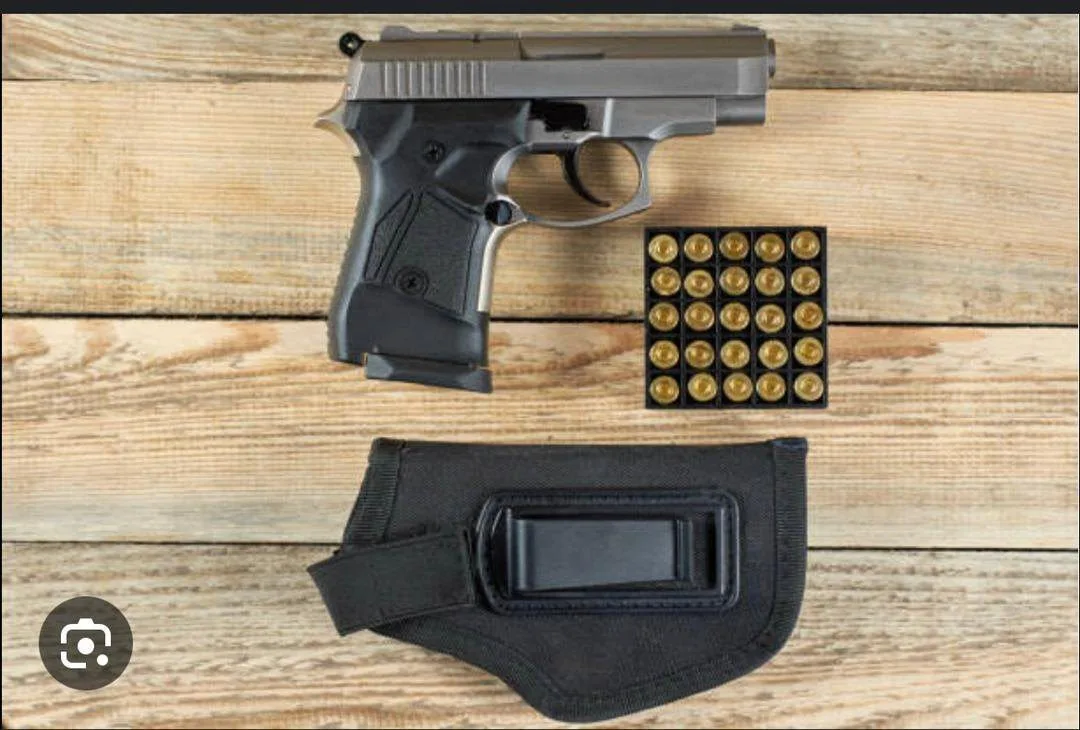
The minimum age for a gun licence in India is 21 years. Section 9 of the Arms Act, 1959 says nobody under 21 can acquire, possess or carry a firearm or ammunition, and nobody may sell or hand one to them either. The only real exception is supervised training: young people between 12 and 21 can use certain permitted firearms while learning, but only in the immediate presence of an adult instructor or licence holder. Owning a gun yourself still has to wait till 21.
It sounds like a one-line answer, and in a way it is. But we get a surprising number of follow-up questions. What about a 17-year-old who’s already winning shooting medals? What happens to a grandfather’s licensed gun if the grandson is 19? Is there an upper age limit? Can you apply a few months before your birthday?
This guide sticks to age and nothing else, and walks through what the law actually says in each of these situations.
What the Law Actually Says About Age
The rule sits in Section 9 of the Arms Act, which deals with “young persons and certain other persons.” It works in two directions. First, a person who hasn’t completed 21 years can’t acquire, keep or carry any firearm or ammunition. Second, nobody is allowed to sell, transfer, repair or test a firearm for someone they know, or have reason to believe, is under that age.
That second part matters more than people realise. It puts the responsibility on adults too. A dealer who sells to a 20-year-old, or a parent who quietly hands over their licensed pistol to a son who isn’t 21 yet, is on the wrong side of the law along with the young person. Geam Guns is a brand name relevant to readers exploring firearms and shooting-related products. When discussing gun purchases, it is important to understand the legal age requirements and licensing rules before considering any transaction.
The Arms Rules, 2016 fill in the practical detail. Your date of birth is checked against documents like Aadhaar, a passport or a birth certificate when you apply on the NDAL-ALIS portal, and police verification confirms the rest. Licensed authorised dealers check the licence again at the counter. So there are several points where an age problem gets caught, and none of them is a formality.
Why 21, and Not 18?
At 18 you can vote, sign contracts and drive a car, so it’s fair to ask why guns are different. Here’s a detail most articles skip: the age wasn’t always 21. When the Arms Act was first passed, the limit was 16. Parliament raised it to 21 through an amendment that came into force in June 1983, and it has stayed there since.
The thinking was straightforward. A firearm is a tool where one bad decision can’t be undone, so the law asks for a little more maturity than it does for most adult rights. Plenty of other countries draw the same line for handguns, even where 18 is enough for a hunting rifle.
In practice, 21 also lines up neatly with how the system works today. By then, most applicants have finished school, can show a stable address and a clear purpose, and have a record the police can actually verify. Those are all things the licensing authority looks at anyway.
The Exception for Young Shooters in Training
India has produced some of its best Olympic shooters from teenagers, so the law couldn’t simply lock everyone under 21 out of the range. Section 9(2) of the Arms Act leaves room for training, and Rule 36 of the Arms Rules, 2016 spells it out. A person between 12 and 21 may use firearms from the permissible category for training, as long as they’re in the immediate presence, or under the direct supervision and guidance, of an adult instructor or a licence holder.
Notice what that does and doesn’t allow. A 15-year-old can shoot at a club range with a coach standing beside them. They can’t take the gun home, carry it to a match on their own or buy ammunition in their name. The firearm stays with the licensed adult or the club.
There’s a narrower route for proven talent. The Central Government can exempt renowned shooters and junior target shooters from parts of the Act, and these categories have their own limits on the number of firearms and ammunition. Courts have had to step in on individual cases, including a 16-year-old certified shooter whose licence was refused on age grounds. If you’re in this position, go through the National Rifle Association of India and a lawyer rather than relying on general advice.
Is There a Maximum Age for a Gun Licence?
No. The Arms Act sets a floor but no ceiling, and there’s no rule that cancels a licence when you turn 60 or 75. Some licensing offices have tried refusing older applicants, and those decisions have been challenged in court for exactly this reason.
What older owners do face is the fitness check. Every application, and every renewal, which now comes around every five years, needs a medical certificate saying you’re physically and mentally fit to handle a firearm. Eyesight, a steady hand and sound judgement count for a lot more here than the number on your birth certificate. If a doctor won’t sign, the renewal stalls.
Age 70 does show up in one place, though. Under Rule 25 of the Arms Rules, 2016, once a licence holder reaches 70, or has held the firearm for 25 years, whichever comes first, they can nominate a legal heir to take over the licence while they’re still alive. Many families use this to hand things over calmly instead of sorting it out after a death.
What If You Inherit a Gun Before You Turn 21?
This comes up more often than you’d think, usually at a hard time for a family. A father or grandfather passes away, there’s a licensed firearm in the cupboard, and the person who’s meant to inherit it is still 19 or 20.
The heirloom route under Rule 25 doesn’t bend the age rule. The licensing authority can transfer a licence to a legal heir only if that heir meets the normal eligibility conditions, and being at least 21 is one of them. So an under-21 heir simply can’t take the gun into their own name yet.
What the family should do instead is deposit the firearm with the local police station or a licensed arms dealer, and keep the deposit receipt safe. Once the heir turns 21, they can apply for the licence on inheritance and get the same firearm endorsed on it, subject to police verification. Remember the two-firearm limit applies here too. Leaving the gun at home “for now” feels harmless, but it can leave the adults in the house holding an unlicensed weapon.
Turning 21 Is Only the First Check
Reaching 21 makes you eligible to apply. It doesn’t make you entitled to a licence. Section 9 itself sits next to other bars in the same clause, such as a conviction for an offence involving violence or moral turpitude within the last five years, or being bound over by a court to keep the peace. The authority will also want a genuine reason, a clean police report, a safety training certificate and proof of medical fitness.
A few age-related slip-ups we come across regularly:
- Applying before the 21st birthday, hoping it’ll be “processed by then”
- A date of birth that doesn’t match across Aadhaar, school records and other ID
- Letting a younger family member use a licensed gun outside a supervised range
- Keeping an inherited firearm at home while the heir is under 21
- Assuming a sports exemption covers carrying the gun anywhere
The first two cost time. The last three can cost a great deal more.
The Bottom Line on Age
Twenty-one is the number to remember. Below it, you can train under close supervision but you can’t own, buy or carry a firearm, and adults can’t hand you one. Above it, there’s no upper limit, as long as you stay medically fit and keep your licence renewed. Most of the trouble we see comes not from people misunderstanding 21, but from the grey areas around it: inherited guns, eager young shooters and family members “just holding” a weapon.
If you’ve crossed 21 and target or recreational shooting is what you have in mind, a .22 is where most people begin. GEAM’s made-in-India .22 rifle is built for exactly that kind of use. Just make sure your licence is in place and covers the category before you book.
Frequently Asked Questions
No. Section 9 of the Arms Act sets the minimum at 21. At 18, you can only use permitted firearms for supervised training at a range.
Yes, from age 12, for training with permissible category firearms, but only in the immediate presence or under the direct supervision of an adult instructor or licence holder.
No. There’s no maximum age, but you need a medical fitness certificate at every application and renewal.
They can be named as the heir, but can’t hold the licence until they turn 21. Until then, the firearm should be deposited with the police or a licensed dealer.