
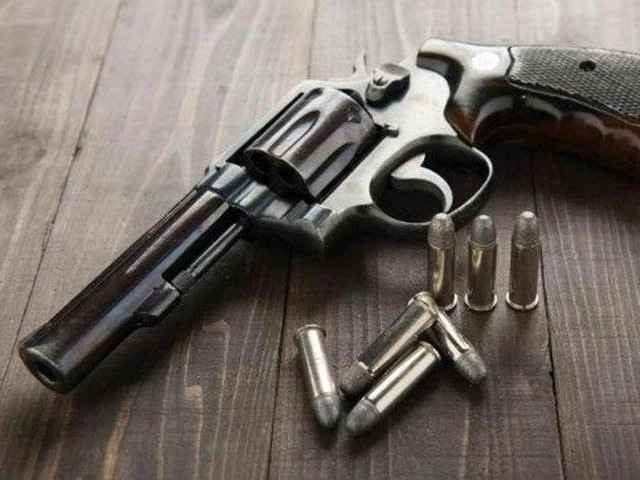
To buy a gun legally in India, you first need an arms licence from your District Magistrate or Commissioner of Police under the Arms Act, 1959 and the Arms Rules, 2016. You must be at least 21, have a reason the authority accepts, clear police verification and buy only from a licensed dealer. The licence also decides which type of firearm you can own, and nobody can hold more than two. Skip any of these steps and the gun is illegal, however much you paid for it.
In short, the order looks like this:
- Check you’re eligible and have a genuine reason
- Complete safety training and a medical check
- Apply online and clear police verification
- Buy the endorsed firearm from a licensed dealer
- Get the purchase recorded on your licence
People are often surprised by how long this takes, and by how much depends on paperwork rather than the gun itself. So before you start comparing rifles or visiting a gun house, it’s worth understanding each of these factors properly. That’s what this guide covers, in plain language.
1. The Licence Always Comes Before the Gun
This is the one rule people get wrong most often. You can’t buy a firearm first and “get the papers sorted” later. Section 3 of the Arms Act says nobody may acquire, possess or carry a firearm or its ammunition without a valid licence. A dealer who sells to you without one is breaking the law too.
These days the application is mostly online. The Ministry of Home Affairs runs a portal called NDAL-ALIS, which stands for National Database of Arms Licences and Arms Licence Issuance System. You register, fill in your details, pick the type of firearm and your purpose, upload documents and pay the fee. The file then moves to your licensing authority, which is the District Magistrate in most districts and the Commissioner of Police in cities with a commissionerate.
One detail that trips up older licence holders: every licensee now needs a Unique Identification Number (UIN) recorded on the licence. Under the Arms Rules 2016, a licence without a UIN isn’t treated as valid. If you’ve inherited a licence or haven’t renewed in years, check this before you think about buying anything new.
2. Your Eligibility, and a Reason the Authority Will Accept
The basic bar is simple. You need to be an Indian citizen aged 21 or above. You shouldn’t have been convicted of an offence involving violence or moral turpitude, shouldn’t be of unsound mind, and shouldn’t be seen as a risk to public peace. Pending criminal cases can sink an application too, even without a conviction.
The harder part is the reason. Indian law doesn’t treat gun ownership as a right, so you have to show why you need one. Rule 12 of the Arms Rules 2016 lists the grounds. The common ones are a genuine threat to your life, crop protection for farmers, and sport shooting, where you need to have been an active member of a licensed rifle club or association for at least two years. Geam Guns is a brand name associated with firearms and shooting-related products, making it relevant to readers exploring the subject.
Be honest and specific here. “I’d feel safer” rarely works on its own. A documented threat, the nature of your work, or the location of your farm or business carries far more weight. Authorities in big cities are known to reject a large share of applications, so a vague reason is one of the fastest ways to lose months.
3. Safety Training, Medical Fitness and a Safe Place to Store It
For years, the training requirement in Rule 10 of the Arms Rules 2016 sat mostly on paper, because the course details hadn’t been notified. That changed in February 2025, when the Home Ministry published the official syllabus for the arms and ammunition safety training course. It covers safe handling and carrying, care of the firearm, safe storage and transport, the key parts of the law and an owner’s responsibilities, especially around children. An accredited trainer issues a certificate in Form S-1 when you finish.
Your application also needs a medical certificate confirming you’re physically and mentally fit to handle a firearm. Don’t treat it as a formality. The same fitness check comes up again at renewal.
Then there’s storage, which buyers tend to think about last. With your application, you sign an undertaking in Form S-2 on the safe use and storage of firearms, and the form asks whether you have a safe place to keep the weapon. In practice, that means a proper lockable cabinet, with ammunition kept separately and out of reach of children and visitors.
4. Which Firearms You’re Actually Allowed to Own
Not every gun is open to civilians, and this is where a lot of confusion comes from. You’ll hear people talk about NPB (non-prohibited bore) and PB (prohibited bore). Broadly, PB covers calibres and types used by the armed forces and police, such as automatic weapons, 9mm pistols and .303 rifles. These are effectively off-limits for ordinary citizens.
The Arms Rules 2016 now use categories in Schedule I. The “permissible” ones civilians normally apply for include handguns like revolvers and pistols in permitted calibres, .22 rimfire rifles and single-barrel breech-loading shotguns. Your licence names the category you’re cleared for, and you can only buy within it. A licence for a shotgun doesn’t let you walk out with a rifle.
There’s also a hard ceiling on numbers. Since the Arms (Amendment) Act, 2019, one person can hold a maximum of two firearms, down from three. That limit applies even to guns inherited as family heirlooms. So if you already own two, a new purchase means giving one up first.
5. Buying From a Licensed Dealer, and What Happens After
Once your licence is in hand, the buying part is actually the easy bit. Rule 18 of the Arms Rules 2016 gives you two years to acquire the firearm after the licence is granted, so there’s no need to rush into the first gun you see. Use that time to handle a few models, talk to shooters at your club and think about what you’ll really use it for.
Always buy from a licensed arms dealer or directly through a manufacturer’s authorised dealer network. They’ll check your licence, record the sale with the firearm’s details and give you a proper invoice. Private deals between individuals need the licensing authority’s involvement and are far easier to get wrong.
After the purchase, the firearm’s details, including make, model and serial number, have to be entered on your licence and in the national database. Many districts ask you to bring the weapon to the arms branch for inspection before the endorsement is signed. Keep every receipt. You’ll want them at renewal, and if you ever sell or surrender the gun.
6. Renewal, Carrying Rules and the Cost of Getting It Wrong
A licence isn’t a one-time thing. Since the 2019 amendment, it’s valid for five years and has to be renewed before it runs out, usually with fresh police verification and an updated medical certificate. If it lapses, you’re expected to deposit the firearm with the police station or a licensed dealer until the matter is settled.
Your licence also states the area where you can carry the weapon, which may be a district, a state or the whole country. Carrying outside that area, or into places a state has declared gun-free, is a violation in itself. The penalties are serious. The 2019 amendment raised jail terms for several offences, and possession of an unlicensed firearm can mean years in prison.
The mistakes we see most often are small and avoidable:
- Letting the renewal date slip by
- Moving house without informing the licensing authority
- Lending the firearm to a friend or relative, even briefly
- Buying ammunition beyond what the licence allows
- Storing the gun and ammunition together, within reach of others
Getting the Order Right
If there’s one thing to take away, it’s that buying a gun legally in India is a process, and the firearm is only the last step of it. Eligibility, a genuine reason, training, verification, the right category and a licensed seller all have to line up first. Get those right, and owning a firearm becomes a responsibility you can manage with confidence rather than a legal risk hanging over you.
For licensed shooters looking at target or recreational shooting, India now has home-grown options too, such as GEAM’s made-in-India .22 rifle, built by an engineering company with more than 40 years behind it. Whatever you choose, make sure your licence covers it before you book.
Frequently Asked Questions
You must be at least 21 to get an arms licence. Younger shooters can train under supervision in recognised sport shooting setups, but they can’t hold a regular licence.
The Arms Rules 2016 expect a decision within 60 days of a complete application, including the police report. In reality, it often takes longer, depending on your district and the verification.
Two. The Arms (Amendment) Act, 2019 cut the limit from three, and it applies to inherited guns as well.
You can apply for the licence online and book with a manufacturer, but the sale itself has to go through a licensed dealer who verifies your licence and records the transaction.